









Beyond the Pill: A Helpful Guide to Paracetamol Suppositories
When you or a loved one is in pain or running a fever, the first thought is often to reach for a pill or liquid medicine. But what happens when swallowing is difficult, dangerous, or simply not possible? This is where an often-overlooked form of medication comes into play: the paracetamol suppository.
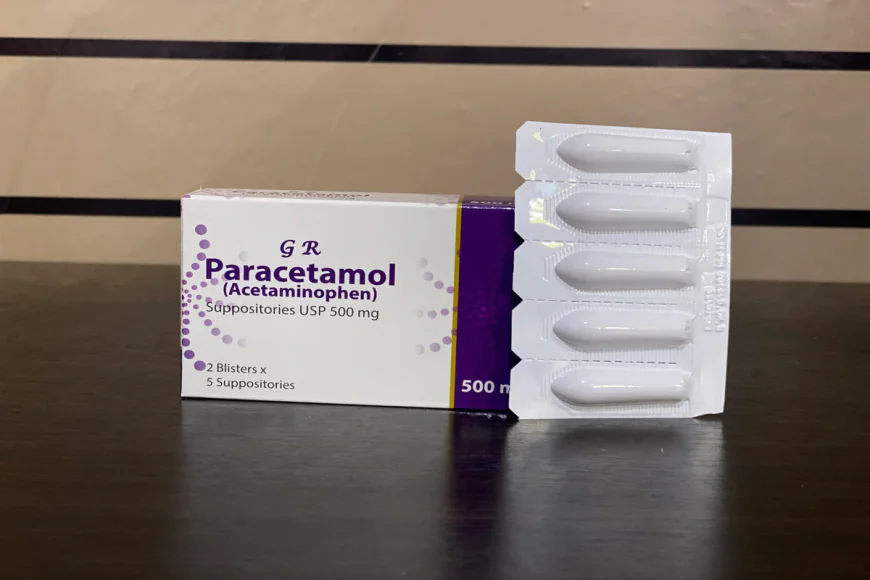
While the idea might be unfamiliar or a little daunting to some, paracetamol suppositories are a safe, effective, and crucial tool in modern medicine. Let's demystify this important medication and explore when and how it's used.
What Exactly is a Paracetamol Suppository?
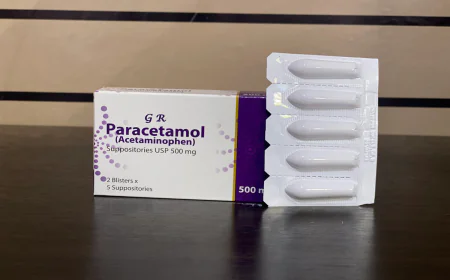
A suppository is a small, solid, bullet-shaped medication designed to be inserted into the rectum (the bottom). Paracetamol suppositories contain the same active ingredient found in popular oral brands like Tylenol or Panadol.
The key difference is the delivery route. Instead of being swallowed and absorbed through the stomach, the suppository dissolves inside the rectum, where a rich network of blood vessels absorbs the paracetamol directly into the bloodstream.
When is a Suppository the Right Choice?
This method of administration is invaluable in several common scenarios:
-
Vomiting or Nausea: This is the most common reason. If a person is vomiting, an oral pill or liquid will likely be expelled before it can work. A suppository bypasses the stomach entirely.
-
Difficulty Swallowing (Dysphagia): This can affect individuals after a stroke, those with certain neurological conditions, the elderly, or young children who simply refuse to take medicine.
-
Post-Surgical Recovery: After operations, especially on the throat, stomach, or tonsils, patients may be unable to swallow. Suppositories provide continuous relief without the need for an IV.
-
Unconsciousness or Seizures: For patients who are unconscious or experiencing a seizure, a suppository can be a safe way to administer fever and pain relief.
-
For Infants and Young Children: It can be easier and safer to administer a suppository to a squirming, upset baby than to try and get them to swallow liquid medicine without spitting it out.
The Advantages: Why Choose This Method?
-
Reliable Absorption: It provides a consistent and reliable dose, unaffected by stomach contents or vomiting.
-
Liver-Friendly (in one aspect): Because it bypasses the first pass through the liver (which occurs with oral medication), some of the metabolic byproducts are different. However, it is crucial to understand that overdose can still cause severe liver damage. The same daily limits for paracetamol apply.
-
Long-Lasting Effect: The absorption can be slower and more gradual than with oral tablets, potentially providing longer-lasting relief.
A Step-by-Step Guide to Administration
If you've never used one before, the process can seem intimidating. But with a calm approach and good hygiene, it's straightforward.
You will need: The suppository, clean hands or disposable gloves, and a lubricant like KY Jelly or a small amount of water (check the package instructions, as some are self-lubricating).
-
Prepare: Wash your hands thoroughly with soap and water. If the suppository is soft, you may chill it in the refrigerator for a few minutes first to firm it up. Remove any foil wrapping.
-
Position: Have the person lie on their side with the lower leg straight and the upper knee bent towards the chest. For an infant or small child, lying on their back with legs held up in a "frog-like" position also works.
-
Insert: Using a glove or finger cot, gently insert the suppository, pointed end first, into the rectum. For adults and older children, push it in about one inch (2.5 cm). For infants, a half-inch (1.25 cm) is sufficient.
-
Hold: Ask the person to clench their buttocks together and remain lying down for 10-20 minutes if possible. This prevents the suppository from being pushed back out.
-
Clean Up: Wash your hands again. The suppository will dissolve on its own.
Pro Tip: Try to administer a suppository after a bowel movement to ensure it stays in place and is fully absorbed.
Important Safety Considerations
-
Dosage is Critical: Never exceed the recommended dose on the packaging or as advised by your doctor or pharmacist. The same 24-hour maximums for oral paracetamol apply.
-
Beware of "Double Dosing": Paracetamol is found in many over-the-counter cold and flu remedies. Always check labels to avoid accidentally taking multiple paracetamol-containing products.
-
Consult a Professional: Always talk to your doctor or pharmacist before giving any medication to a child under two, or if you have liver or kidney problems.
-
Do Not Use if the person has severe diarrhea or rectal bleeding, or if they are allergic to paracetamol.
The Bottom Line
Paracetamol suppositories are a medical marvel of simplicity and effectiveness. They ensure that relief from pain and fever is accessible to everyone, even when swallowing isn't an option. By understanding how and when to use them, you can confidently add this powerful tool to your caregiving toolkit, providing comfort and relief when it's needed most.
As with any medication, always consult with a healthcare professional for personalized advice and dosage instructions.