




The Painful Bump on Your Eyelid: A Complete Guide to Styes (Hordeolum)
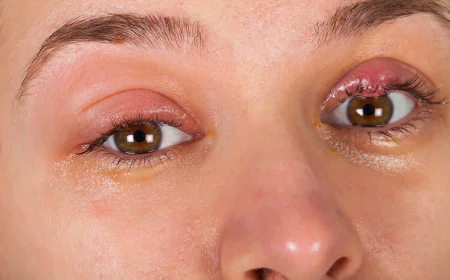
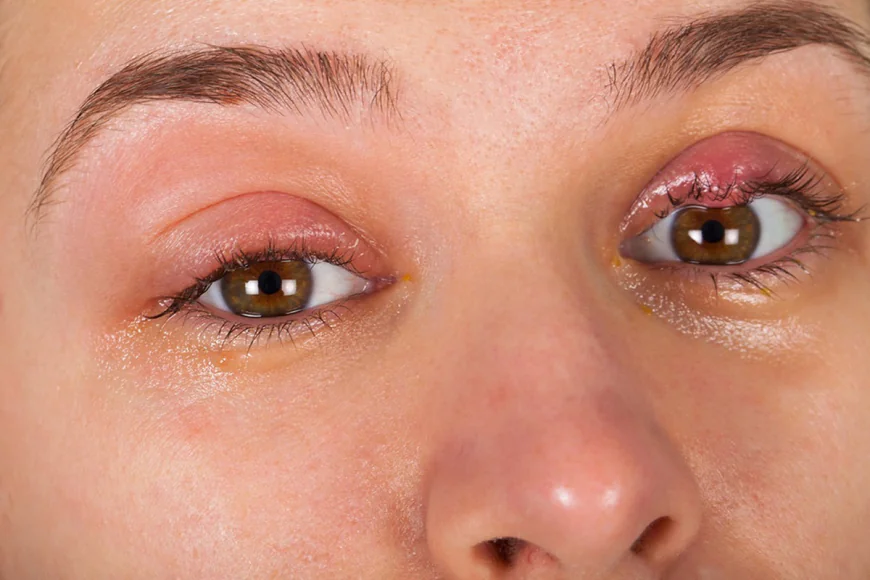
That familiar, tender, red bump on the edge of your eyelid—it’s not just a cosmetic nuisance; it’s a common eye affliction known as a stye. Medically termed a hordeolum, a stye can be painful and irritating, but the good news is that it’s usually harmless and resolves on its own.
If you’ve ever had one, you know the discomfort all too well. But what exactly is a stye, what causes it, and how can you get rid of it quickly? Let’s demystify this pesky eyelid problem.
What is a Stye (Hordeolum)?
A stye is a small, painful lump on or inside the eyelid. It’s essentially a localized bacterial infection, most often caused by the bacterium Staphylococcus aureus. Think of it as an eyelid pimple or a small abscess.
There are two main types of styes:
-
External Hordeolum: This is the most common type. It occurs at the base of an eyelash follicle, looking like a small pimple or boil on the edge of the eyelid.
-
Internal Hordeolum: This one forms on the inner surface of the eyelid, inside the Meibomian glands. These glands produce an oily substance that helps keep your tears from evaporating too quickly. An internal stye can be more painful and may take longer to heal.
What Causes a Stye? The Usual Suspects
Styes develop when oil glands or hair follicles on the eyelid become blocked and infected. The primary culprit is bacteria, but certain habits and conditions can increase your risk:
-
Touching Your Eyes with Unwashed Hands: This is the number one way to transfer bacteria to your eyelids.
-
Poor Contact Lens Hygiene: Not disinfecting lenses properly or inserting them with dirty hands is a major risk factor.
-
Leaving Makeup On Overnight: Old or contaminated eye makeup can harbor bacteria.
-
Having Blepharitis: This chronic condition involves inflammation of the eyelid margins, making you more prone to styes and chalazia (a related, but different, blocked gland).
-
Rosacea: A skin condition that can affect the eyes and eyelids.
-
Previous Styes: If you’ve had one before, you’re more likely to get another.
Recognizing the Symptoms: Is it a Stye?
A stye is hard to miss. Look for these tell-tale signs:
-
A red, painful, swollen bump on the upper or lower eyelid
-
Pain and tenderness to the touch
-
A feeling of having something in your eye (grittiness)
-
Watery eyes
-
Sensitivity to light
-
Crusting along the eyelid margins
-
In the case of an internal hordeolum, you may see a yellow spot of pus on the inside of the eyelid when you gently pull it down.
How to Treat a Stye at Home: The Do's and Don'ts
Most styes will drain and heal on their own within 3 to 7 days. You can speed up the process and alleviate discomfort with these simple, safe home remedies:
✅ THE DO'S:
-
Apply Warm Compresses: This is the most effective treatment. Soak a clean cloth in warm (not hot) water, wring it out, and hold it gently against your closed eyelid for 10-15 minutes, 3-4 times a day. The warmth helps to dissolve the material blocking the gland and promote drainage.
-
Keep it Clean: Gently wash your eyelids with a mild, tear-free baby shampoo diluted in warm water, or use a pre-moistened eyelid cleansing wipe.
-
Let it Drain Naturally: If the stye comes to a head and drains, gently clean the discharge with a clean cloth or cotton swab.
-
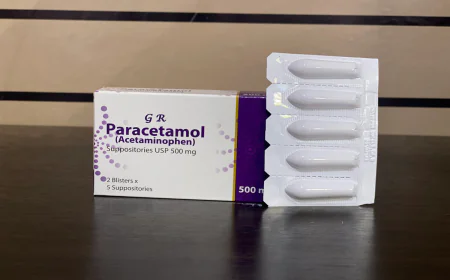
Use Pain Relief: Over-the-counter pain relievers like ibuprofen or acetaminophen can help manage the pain.
❌ THE DON'TS:
-
DO NOT SQUEEZE OR POP IT! This is the most critical rule. Popping a stye can rupture the abscess within the eyelid tissues, spreading the infection and potentially causing a much more serious condition called cellulitis.
-
Avoid Eye Makeup and Contact Lenses: Until the stye has fully healed, give your eyes a break. Makeup can introduce more bacteria, and contacts can be contaminated.
-
Don't Rub Your Eye: Rubbing can further irritate the area and spread bacteria.
When to See a Doctor
While most styes are manageable at home, you should consult a healthcare professional or an eye doctor (ophthalmologist or optometrist) if:
-
The stye doesn't start to improve after 48 hours of warm compresses.
-
The swelling and redness extend beyond the eyelid to your cheek or other parts of your face.
-
You experience vision changes.
-
The pain is severe.
-
The stye bleeds.
-
You have recurring styes.
A doctor may prescribe an antibiotic ointment or eye drops. In some cases, particularly with internal styes that won't drain, a doctor might need to make a small incision to drain the pus—a quick, in-office procedure.
Prevention: Keeping Styes at Bay
The best way to deal with a stye is to prevent it from happening in the first place.
-
Wash Your Hands Thoroughly and Often, especially before touching your eyes or handling contact lenses.
-
Practice Good Contact Lens Hygiene: Wash your hands before insertion, disinfect lenses as directed, and replace them as recommended.
-
Remove Makeup Nightly: Always take off your eye makeup before going to bed.
-
Discard Old Makeup: Replace eye products, especially mascara and eyeliner, every 3-6 months. Never share eye makeup.
-
Manage Underlying Conditions: If you have blepharitis, follow your doctor's advice on daily eyelid cleansing to keep your glands from getting blocked.
Stye vs. Chalazion: What's the Difference?
People often confuse a stye with a chalazion. While both are eyelid lumps, they are different:
-
A stye is an acute, painful infection.
-
A chalazion is a chronic, usually painless blockage of an oil gland. It feels like a firm, rubbery lump deeper in the eyelid. A stye can sometimes turn into a chalazion if the infection clears but the blocked material remains.
The Bottom Line
A stye, while uncomfortable and unsightly, is a common and typically minor issue. With consistent warm compresses and good hygiene, it will usually resolve without a trace. Resist the temptation to pop it, and if you're ever in doubt or the symptoms worsen, don't hesitate to seek professional medical advice. Your eyes are precious—treat them with care.