




Soothing the Cycle: A Guide to Managing Menstrual Pain at Home
For many, menstrual cramps (dysmenorrhea) are a monthly reality, ranging from mild discomfort to debilitating pain. While over-the-counter medications are a common solution, a holistic approach to pain management at home can offer significant relief and empower you to understand your body better. This guide explores safe, effective, and natural strategies to ease menstrual discomfort and reclaim your comfort during your period.
Understanding the Ache: What Causes Menstrual Cramps?
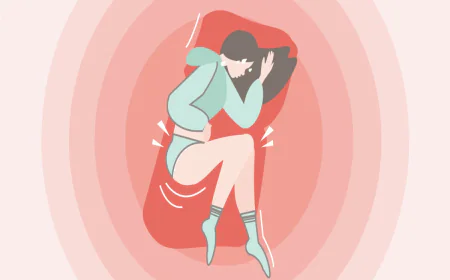
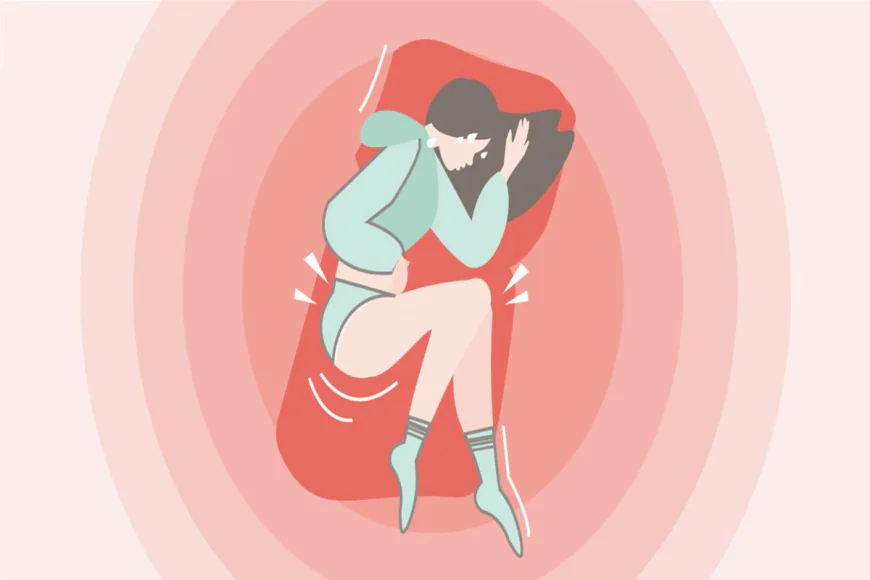
Menstrual cramps occur when the uterus contracts to shed its lining. Hormone-like substances called prostaglandins trigger these contractions, and higher levels are linked to more severe pain. Primary dysmenorrhea is common cramping without an underlying condition, while secondary dysmenorrhea may be caused by issues like endometriosis. Always consult a healthcare provider if pain is severe, suddenly changes, or is accompanied by other concerning symptoms.
Your At-Home Pain Management Toolkit
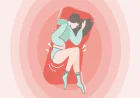
1. Heat Therapy: The Time-Tested Soother
-
How it works: Heat increases blood flow, relaxes contracting muscles, and can block pain signals.
-
Methods:
-
Heating Pad or Hot Water Bottle: Apply to your lower abdomen or lower back for 15-20 minutes at a time.
-
Warm Bath or Shower: The enveloping warmth can relax your entire body. Add Epsom salts (rich in magnesium) for extra muscle-relaxing benefits.
-
Self-Heating Patches: Discreet and portable, perfect for on-the-go relief.
-
2. Movement and Gentle Exercise
It might be the last thing you feel like doing, but gentle movement can be remarkably effective.
-
Why it helps: Exercise releases endorphins, the body's natural painkillers, and improves circulation.
-
Try: Light yoga (especially poses like Child’s Pose, Cat-Cow, and gentle twists), walking, stretching, or tai chi. Listen to your body and avoid strenuous activity.
3. Dietary Adjustments for Inflammation
What you eat can influence inflammation and bloating.
-
Focus On:
-
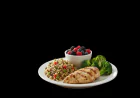
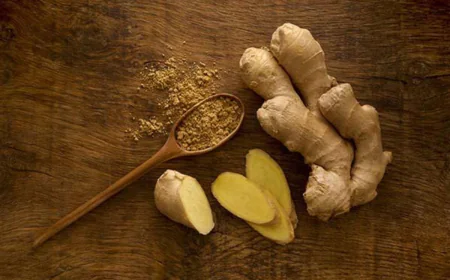
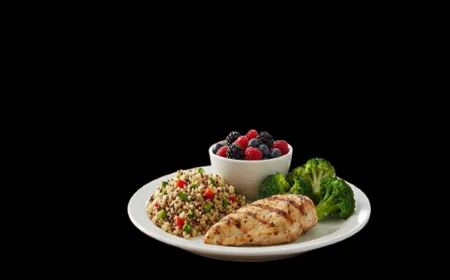
Anti-inflammatory foods: Fatty fish (salmon), leafy greens, berries, nuts (especially walnuts and almonds), and turmeric or ginger.
-
Magnesium-rich foods: Dark chocolate, spinach, avocados, and bananas. Magnesium helps relax muscles.
-
Stay Hydrated: Drinking warm water or herbal teas can reduce bloating caused by water retention.
-
-
Limit:
-
Salt: To minimize bloating.
-
Sugar & Refined Carbs: Can cause energy spikes and crashes.
-
Caffeine & Alcohol: May worsen inflammation and dehydration for some.
-
4. Herbal Teas and Supplements
-
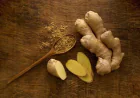
Ginger Tea: Shown in studies to be as effective as some NSAIDs for pain relief. It's anti-inflammatory.
-
Peppermint Tea: Can help relieve associated symptoms like bloating and nausea.
-
Chamomile Tea: Known for its calming and mild antispasmodic properties.
-
Cinnamon Tea: May help reduce menstrual bleeding and cramping.
-
Considerations: Discuss supplements like Magnesium, Vitamin B1, or Omega-3s with your doctor before starting.
5. Abdominal Massage and Acupressure
-
Self-Massage: Using gentle, circular pressure with your fingertips on your lower abdomen. Use a carrier oil with a drop of lavender or clary sage essential oil (diluted!) for added relaxation.
-
Acupressure Point (SP6): Located about three finger widths above your inner ankle bone. Applying firm, circular pressure for several minutes may help relieve pelvic pain. (Avoid if pregnant).
6. Rest and Stress Management
-
Prioritize Sleep: Pain can be exhausting. Allow yourself to rest and aim for 7-9 hours of quality sleep.
-
Mindfulness & Breathing: Deep diaphragmatic breathing or guided meditation apps can help manage the perception of pain and reduce stress hormones that may exacerbate cramping.
7. Over-the-Counter (OTC) Relief
When needed, non-prescription options are a valid part of home management.
-
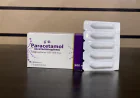
NSAIDs: Ibuprofen or Naproxen work by inhibiting prostaglandins. For best results, take at the first sign of cramps, preferably with food.
-
Note: Always follow dosage instructions and be aware of potential side effects or interactions.
Building a Proactive Plan: Lifestyle for Long-Term Ease
Track your cycle to anticipate and prepare for your period. Regularly incorporating stress-reduction techniques (like yoga or meditation), maintaining a balanced diet, and exercising most days of the week can potentially reduce the severity of cramps over time.
When to See a Doctor
Home management is for primary dysmenorrhea. Consult a healthcare professional if you experience:
-
Pain so severe it disrupts your life every month.
-
Pain that suddenly worsens or changes.
-
Pain accompanied by heavy bleeding, fever, or unusual discharge.
-
Cramps that last more than 2-3 days.
-
New onset of severe pain after age 25.
Conclusion: Your Body, Your Rhythm
Managing menstrual pain at home is about creating a personalized comfort ritual. By combining heat, mindful movement, nourishing foods, and rest, you can move through your cycle with greater ease and agency. Remember, your period is not an inconvenience to be silenced, but a rhythm to be cared for. Listen to your body, experiment to find what works uniquely for you, and never hesitate to seek professional guidance for persistent pain.