







Beyond Words: How to Spot the Signs of a Headache in Your Baby or Toddler
For children under two, a headache is a real pain they can't describe. Since they can't tell you "my head hurts," it falls to parents, especially mothers, to become detectives of discomfort. Recognizing a headache in an infant or young toddler is all about observing subtle changes in their behavior, mood, and physical cues. This guide will help you identify the tell-tale signs.
Because your little one can't verbalize their pain, look for these clusters of signals.
1. Behavioral and Mood Changes
This is often the most obvious category. A child in pain will act differently.
-
Unusual Fussiness, Irritability, or Crying: The crying may be more high-pitched, constant, or difficult to soothe than with a typical need like hunger or a wet diaper.
-
Lethargy and Lack of Interest: Your normally active baby may become unusually quiet, drowsy, or show no interest in their favorite toys or activities.
-
Wanting to Be Held Constantly (or Not at All): Some children will seek comfort and cuddles, while others may find any touch or movement aggravating and push you away.
-
Comfort Seeking Behaviors: They may cling to a special blanket, suck on their pacifier more than usual, or bury their head in your chest or a soft surface.
2. Physical Signs and Clues
Pay close attention to their body language and appearance.
-
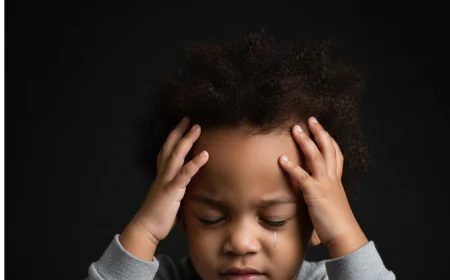
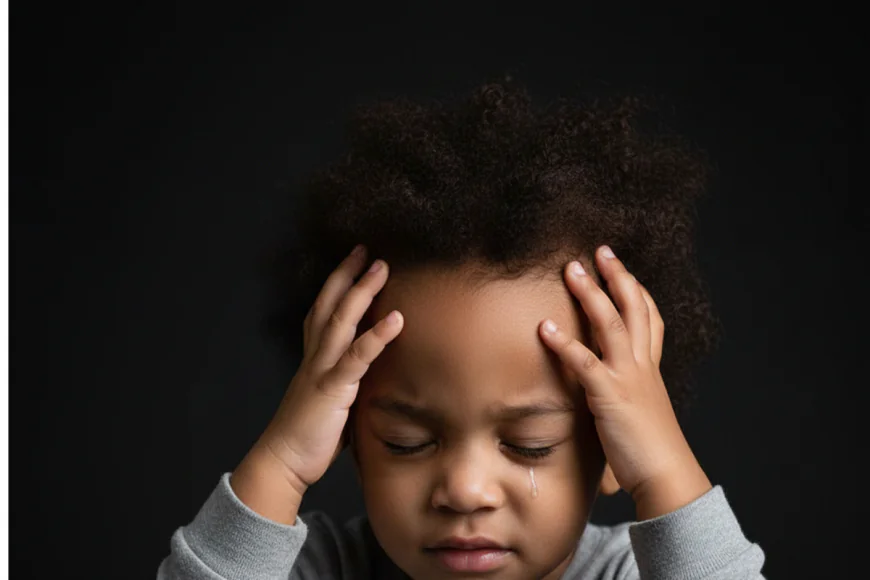
Head Clutching or Hitting: This is a classic sign. You might see your child frequently grabbing or hitting their own head, pulling their hair, or rubbing their temples or ears.
-
Sensitivity to Light and Sound: They may turn away from bright lights, hide their face, or become more upset by sudden or loud noises that normally wouldn't bother them.
-
Changes in Sleep Patterns: A headache can disrupt sleep, causing either excessive sleepiness or difficulty falling and staying asleep.
-
Loss of Appetite: They may refuse breast milk, formula, or solid foods. This can also be a sign of nausea associated with a headache.
-
Vomiting: While this can occur with migraines, it's a symptom that should always be taken seriously in young children.
-
Pale Skin or Dark Circles Under the Eyes: They may simply look unwell or tired.
3. Signs in Infants (Under 1 Year)
For non-mobile babies, the signs can be even more subtle.
-
A Bulging or Sunken Soft Spot (Fontanelle): A bulging fontanelle can be a sign of increased pressure in the brain and is a medical emergency. A sunken fontanelle can indicate dehydration, which can cause headaches. Know what your baby's soft spot normally looks and feels like.
-
Inconsolable Crying: A distinct, high-pitched cry that doesn't stop with regular comforting.
-
Refusing to Lie Down: The baby may arch their back and cry when laid flat, as this position can increase pressure and pain.
What to Do If You Suspect a Headache
-
Offer Comfort: Hold your child in a quiet, dimly lit room. Gentle rocking or humming can be soothing.
-
Ensure Hydration: Offer breast milk, formula, or small sips of water (if age-appropriate). Dehydration is a common cause of headaches.
-
Try a Cool Cloth: Place a cool, damp washcloth on your child's forehead for a few minutes. The sensation can be distracting and soothing.
-
Monitor Closely: Keep a mental note of the symptoms, when they started, and what seems to make them better or worse.
When to Seek Immediate Medical Attention (Red Flags)
Contact your pediatrician or go to the emergency room immediately if the headache is accompanied by any of the following:
-
A high fever (especially in an infant under 3 months).
-
Vomiting repeatedly.
-
A bulging soft spot on the baby's head.
-
Neck stiffness or pain, especially when bending the head forward.
-
Extreme lethargy or difficulty waking the child.
-
A seizure or convulsion.
-
The headache follows a head injury (a fall or bump).
-
The child is inconsolable and the pain seems severe.
-
Any sudden, severe headache that comes on very quickly.
Conclusion
Trust your instincts. As a mother, you know your child's normal behavior better than anyone. If you feel something is wrong, even if you can't pinpoint it, it's always best to err on the side of caution and consult your pediatrician. By being observant and knowing the key signs, you can provide the comfort and care your little one needs when they have a headache.