




Understanding Lower Limb Edema: Why Swollen Ankles and Feet Are Common in Pregnancy
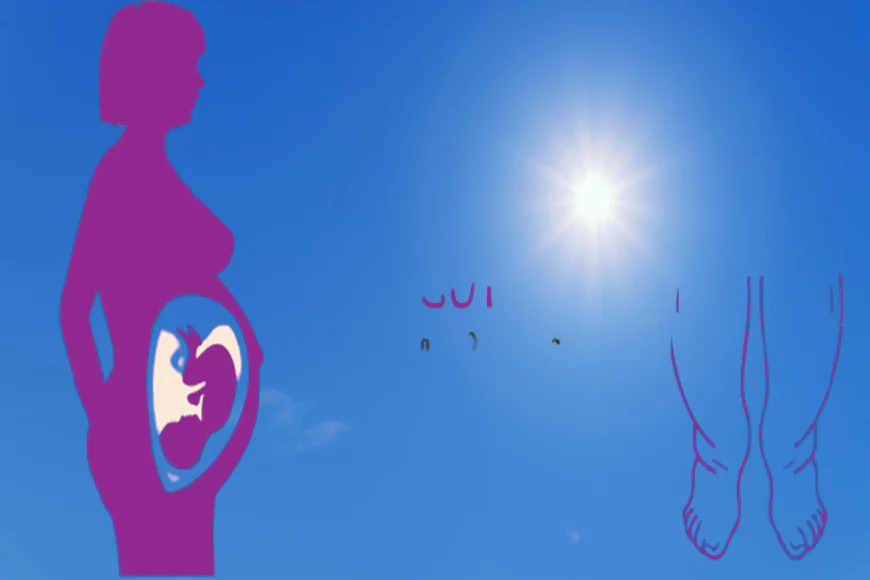
You’ve kicked off your shoes after a long day and noticed it—a subtle puffiness around your ankles, or perhaps a distinct indentation left by your sock elastic. If you're pregnant, you've likely met this common companion: lower limb edema, or swelling in the feet and ankles.
Before you worry, know this: in most cases, it's a completely normal and expected part of the journey. This article will dive deep into why this happens, reassure you about what’s typical, and equip you with the knowledge to find comfort.
The "Why" Behind the Swell: It's All About Fluids and Pressure
Think of pregnancy edema not as a problem, but as a byproduct of the incredible changes happening inside your body. The swelling is primarily caused by two key factors:
1. Increased Blood and Fluid Volume:
Your body is working hard to support both you and your growing baby. To do this, it produces up to 50% more blood and bodily fluids than usual. These extra fluids are crucial for softening your tissues, allowing them to expand as your baby grows, and preparing your pelvic joints for delivery. However, this surplus fluid can easily seep into the surrounding tissues, especially in gravity-dependent areas like your feet and ankles.
2. The Power of Your Growing Uterus:
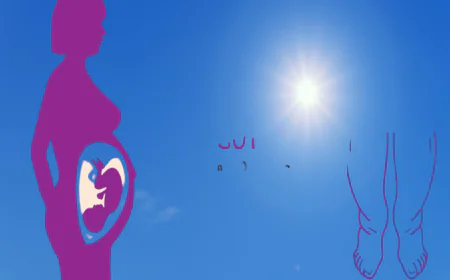
As your baby grows, your uterus expands. In the second and third trimesters, this expanding uterus begins to press on the major blood vessels in your pelvis, particularly the inferior vena cava. This large vein is responsible for carrying deoxygenated blood from your lower body back to your heart. The pressure from the uterus can slow down this return trip, causing blood to "pool" in the veins of your legs. The increased pressure then pushes fluid out of the veins and into the tissues of your feet and ankles, leading to swelling.
When is Swelling Typically Worse?
You might notice your edema follows a pattern:
-
Time of Day: It’s often worse at the end of the day and during the evening, after you've been on your feet or sitting for long periods.
-
Heat: Hot summer weather can exacerbate swelling.
-
Standing/Sitting for Long Periods: Remaining in one position for too long can hinder circulation.
-
A Diet High in Sodium: Consuming too much salt can cause your body to retain more water.
-
As Pregnancy Progresses: Swelling tends to become more noticeable in the third trimester.
Normal vs. When to Call Your Doctor: The Crucial Distinction
While most swelling is harmless, it can sometimes be a red flag for a serious condition called preeclampsia. It's essential to know the difference.
Normal (Physiological) Edema:
-
Swelling is mild to moderate and is in both feet/ankles (bilateral).
-
It develops gradually throughout the day.
-
It tends to improve with rest and elevation (e.g., overnight).
-
When you press on the swollen skin, it may leave a small indent (pitting) that springs back.
🚨 Call Your Doctor/Midwife Immediately if you experience ANY of the following:
-
Sudden Onset: Swelling that appears abruptly, literally overnight.
-
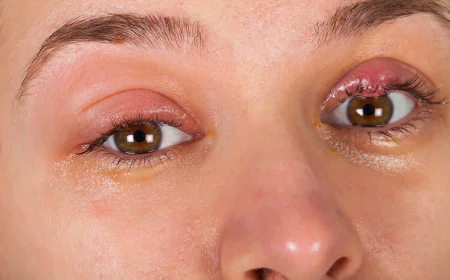
Facial Swelling: Noticeable puffiness in your face, especially around your eyes.
-
Severe Swelling: Swelling that is pronounced, painful, and doesn't improve at all after a night's rest.
-
Swelling in Only One Leg: Especially if it's accompanied by pain, redness, warmth, or tenderness in the calf, which could indicate a blood clot (Deep Vein Thrombosis).
-
Associated with Other Preeclampsia Symptoms: Such as a severe headache, vision changes (blurriness, spots), pain in the upper right abdomen, or sudden nausea and vomiting.
When in doubt, always err on the side of caution and contact your healthcare provider.
Your Comfort Toolkit: 8 Ways to Manage Swelling
You don't have to just suffer through it. Here are proven strategies to help reduce and manage lower limb edema:
-
Elevate Your Feet: The golden rule! Whenever possible, prop your feet up above the level of your heart. Aim for 20-30 minutes, several times a day.
-
Stay Hydrated: It may seem counterintuitive, but drinking plenty of water helps your body flush out excess sodium and waste products, reducing fluid retention.
-
Move Regularly: Avoid sitting or standing for long periods. Take short walks to use your calf muscles, which act as a pump to help push fluid back up from your legs.
-
Choose Supportive Footwear: Ditch the tight shoes. Opt for comfortable, supportive, and well-fitted shoes. It might be time to buy a half or full size larger.
-
Wear Compression Socks: Don't wait for a long flight! Compression stockings, put on first thing in the morning, can prevent fluid from accumulating throughout the day.
-
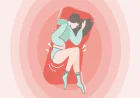
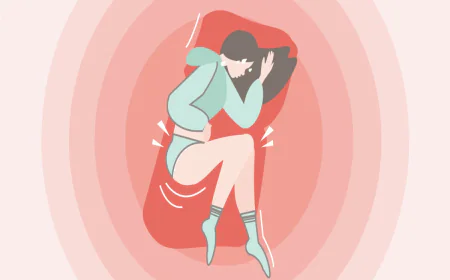
Sleep on Your Left Side: This sleeping position takes the pressure off your inferior vena cava, improving circulation and reducing swelling.
-
Cool Down: Soaking your feet in a cool bath or using a cold compress on your ankles can provide immediate, soothing relief and help reduce swelling.
-
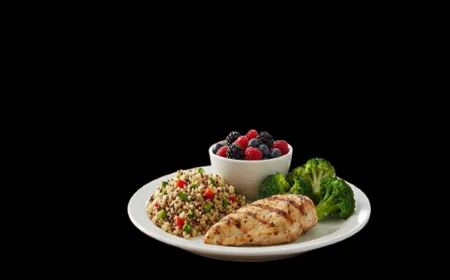
Mind Your Sodium: Be mindful of your salt intake by avoiding highly processed foods, canned goods, and fast food. Focus on fresh fruits, vegetables, and lean proteins.
Swollen ankles and feet can be an uncomfortable nuisance, but they are a common badge of pregnancy. By understanding the "why" behind the swelling, you can empower yourself with practical strategies to find relief and confidently recognize when it's time to seek medical advice. Remember, this is a temporary phase on the incredible path to meeting your baby.