








The Ultimate Guide to Baby Bathing: How Often, Temperature, and Best Practices
The first bath. It’s a milestone moment filled with equal parts joy and trepidation. For new parents, the simple act of bathing a tiny, slippery newborn can feel like a high-stakes operation. How often should you do it? What’s the perfect water temperature? And how do you keep this wriggling little one safe and happy?
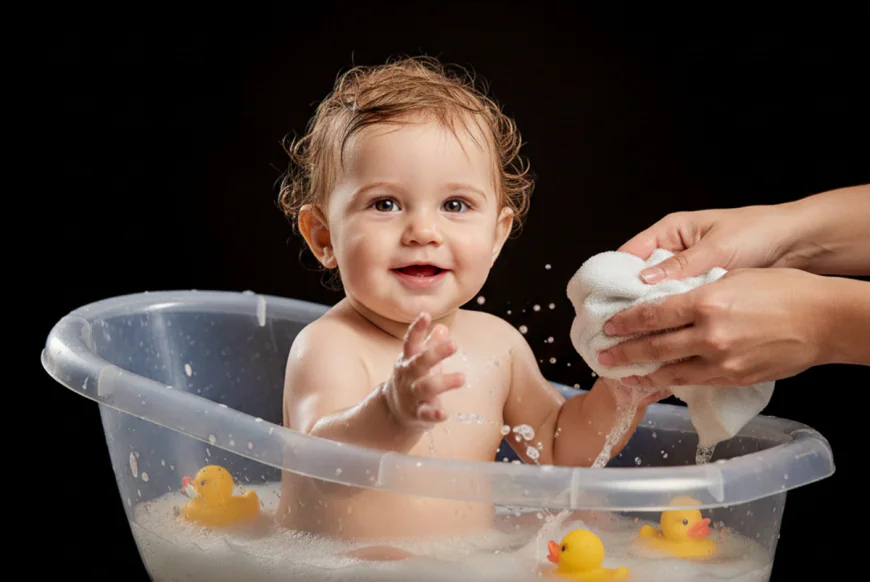
Fear not. Bath time isn't just about hygiene; it's a wonderful opportunity for bonding, sensory play, and establishing a calming bedtime routine. This enriched guide will walk you through everything you need to know to transform bath time from a chore into a cherished ritual.
Part 1: How Often Should You Bathe Your Baby? Less is More.
This is often the biggest surprise for new parents: your newborn doesn’t need a daily bath.
-
Newborns (0-3 months): For the first few weeks, until the umbilical cord stump falls off and circumcision (if applicable) has healed, sponge baths are the way to go. 2-3 times a week is perfectly sufficient. Their world is relatively clean, and they aren't getting into messes yet. Over-bathing can strip their delicate skin of its natural protective oils, leading to dryness, eczema, and irritation.
-
Infants (3-12 months): As your baby becomes more mobile, starts eating solid foods, and generally gets dirtier, you can increase to a bath every other day or even daily. Pay attention to your baby's skin. If you notice it's becoming dry, scale back. A daily bath is fine if it's part of your bedtime routine, but you don't always need to use soap—sometimes just a warm water soak is enough.
-
The "Top & Tail" Bath: In between full baths, the "top and tail" method is perfect. Use two separate bowls of warm water and cotton wool. One is for cleaning the face, and the other is for cleaning the diaper area. This allows you to spot-clean the essential parts without a full immersion.
The Golden Rule: When in doubt, less is more. A baby’s skin is a masterpiece of nature; it doesn't need heavy-duty cleaning.
Part 2: Getting the Water Temperature Just Right
This is the cornerstone of bath safety and comfort. The goal is warm, not hot.
-
The Ideal Temperature: The water should be close to body temperature, around 98.6°F (37°C). A good rule of thumb is to test it with your elbow or inner wrist—these areas are more sensitive than your fingers. The water should feel warm, not hot.
-
The Essential Tool: A Bath Thermometer. For absolute precision and peace of mind, a bath thermometer is a small investment that pays dividends in safety. Many come with color-coded indicators (e.g., red for too hot, green for just right).
-
The Safe Filling Routine (CRITICAL):
-
Always run the COLD water first, then add hot water to reach the desired temperature. This prevents the risk of you or your baby being scalded by a tap that dispenses pure hot water.
-
Fill the tub only 2-3 inches deep. For a newborn, this is enough to keep them warm and cover their legs. You can add more water as they grow and can sit up independently.
-
Turn the tap OFF completely before placing your baby in the water.
-
Never, ever add hot water while your baby is in the tub.
-
Part 3: Best Practices for a Safe & Happy Bath Time
Creating a seamless routine is key to a positive experience for both of you.
A. Before the Bath: The Setup
-
Gather Everything: Have all supplies within arm's reach. Never turn your back on a baby in water. This includes a soft towel (a hooded one is ideal), a clean diaper, clean clothes, gentle baby wash/shampoo, a cup for rinsing, and a washcloth.
-
Choose Your Tub: Use a sturdy, infant-specific tub placed on a stable, waist-high surface. This saves your back and keeps the baby at a comfortable height.
-
Warm the Room: Ensure the bathroom or bathing area is warm and free from drafts. A chilly room will make a wet baby miserable quickly.
B. During the Bath: The Step-by-Step
-
Undress and Immerse Slowly: Undress your baby and gently lower them into the water feet-first, using one hand to support their head and neck. Keep a firm hold at all times. Pour a little warm water over their body to prevent chills.
-
The Art of Washing: Use a soft, damp washcloth with plain water or a drop of tear-free baby wash. Start with the cleanest areas and move to the dirtiest.
-
Face: Wipe each eye from the inner corner outward with a clean part of the cloth (no soap).
-
Body: Gently clean the neck, chest, arms, and legs. Pay special attention to those adorable (and often cheese-filled) skin folds.
-
Hair & Scalp: To wash hair, cradle your baby's head over the tub and use a cup to gently pour water over their scalp. A gentle baby shampoo used 1-2 times a week is plenty. The "cradle hold" is the safest and most comfortable position.
-
-
Make it Fun: Talk, sing, and smile. Introduce a few simple, safe bath toys. This is a sensory experience! The sound of your voice is the best comfort.
C. After the Bath: The Cozy Conclusion
-
Swift Exit: Have the towel open and ready. Lift your baby out, immediately wrapping them snugly to prevent heat loss.
-
Pat Dry, Don't Rub: Gently pat their skin dry, paying close attention to all those skin folds. Rubbing can cause irritation.
-
Moisturize: If your baby's skin tends to be dry, this is the perfect time to apply a gentle, fragrance-free baby moisturizer on slightly damp skin to lock in hydration.
-
Diaper and Dress: Finish with a fresh diaper and cozy clothes.
Part 4: Advanced Tips & Safety Warnings
-
Never Leave Alone: Not even for a second. If the doorbell rings or you forget something, take your baby with you. Drowning can occur in as little as one inch of water and is often silent.
-
Cradle Cap: If you see yellowish, scaly patches on the scalp, don't pick! Before a bath, gently massage a small amount of baby oil or petroleum jelly onto the scales. During the bath, use a soft brush to gently loosen the flakes, which will wash away with shampoo.
-
Timing is Everything: Choose a time when your baby is alert and content, not right after a feeding or when they're overly tired. Many families find that a warm bath is a perfect signal that bedtime is near.
-
What to Avoid: Skip the bubble baths and adult soaps, which are harsh and can cause UTIs or irritation. Also, avoid using lotions or powders with strong fragrances.
Conclusion: More Than Just Clean
Bathing your baby is about so much more than cleanliness. It’s a multisensory experience that builds trust, strengthens your bond, and provides a comforting rhythm to your baby’s day. By following these guidelines—bathing less frequently, mastering the water temperature, and prioritizing safety—you’re not just getting your baby clean. You’re creating a warm, loving, and secure environment where both of you can relax and enjoy the simple, profound joy of being together.
So take a deep breath, get your supplies ready, and dive in. You’ve got this.